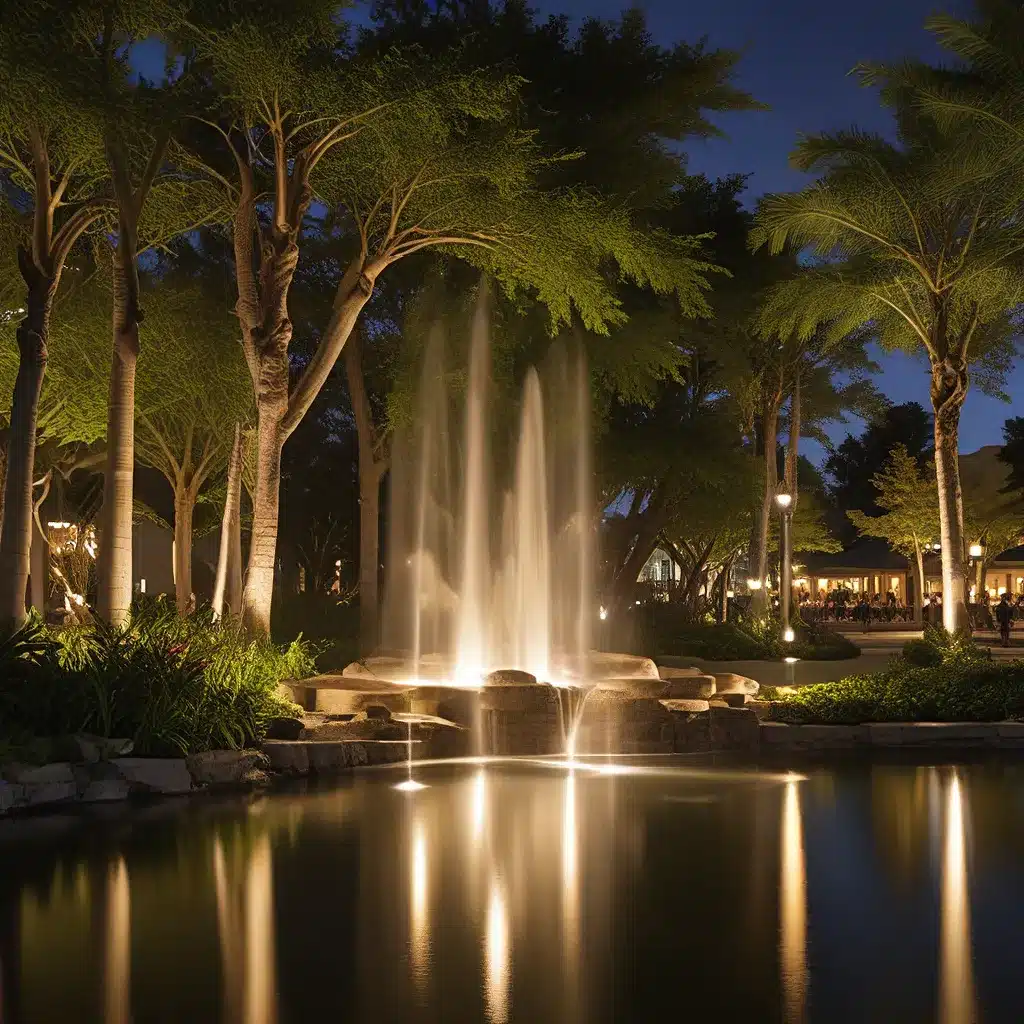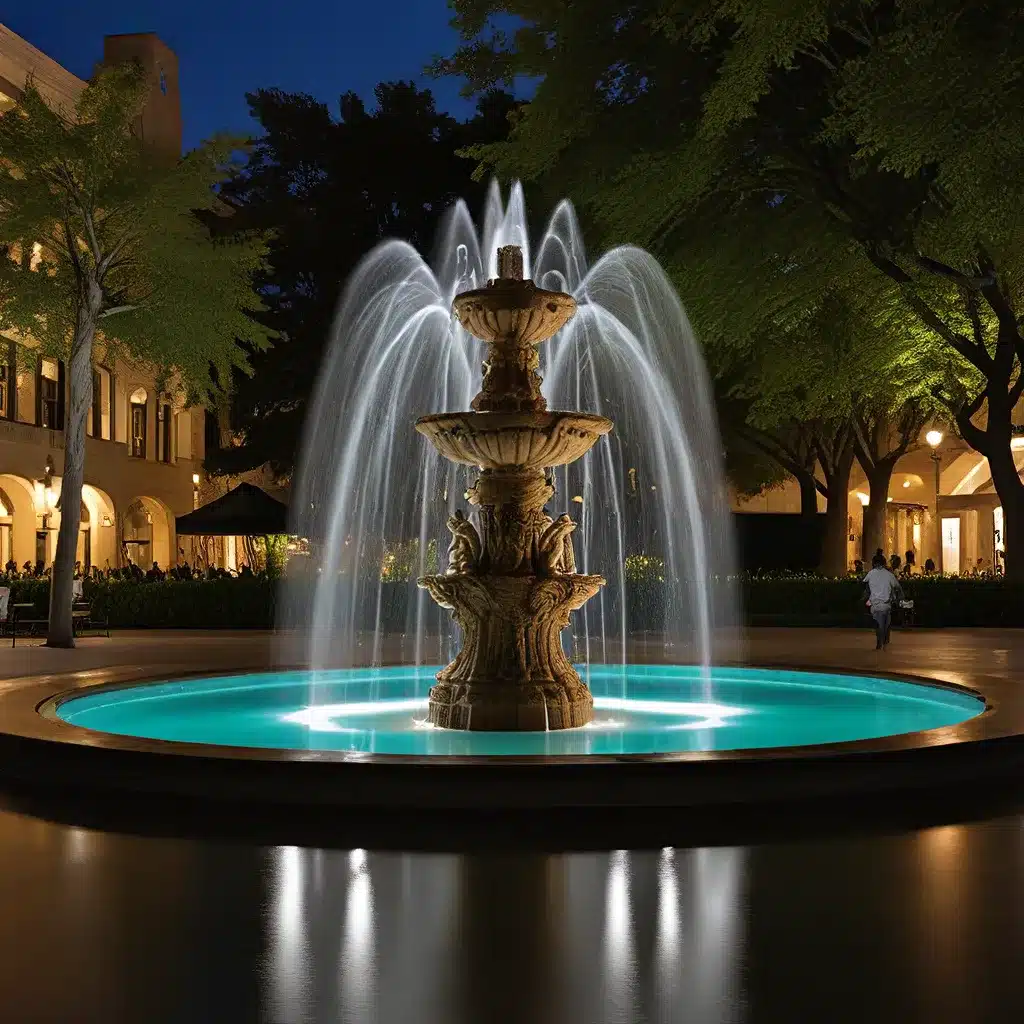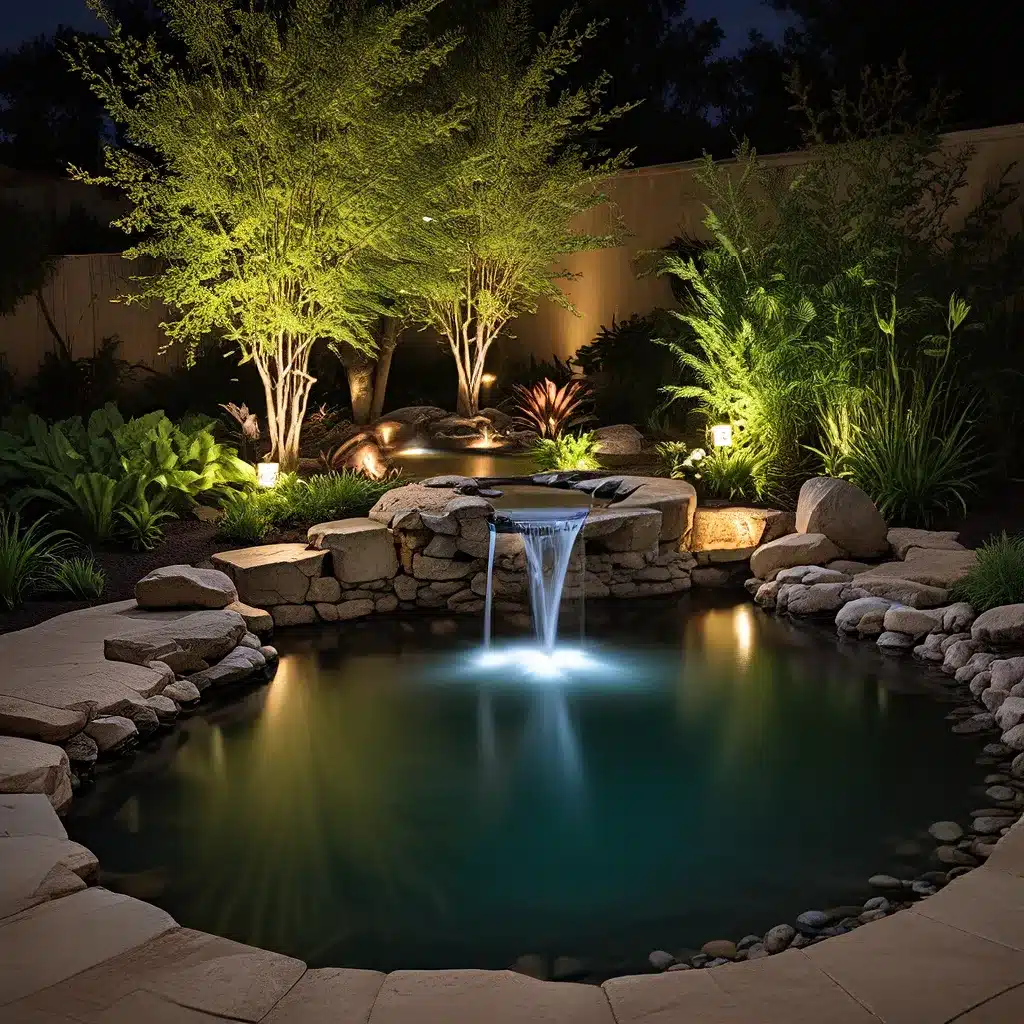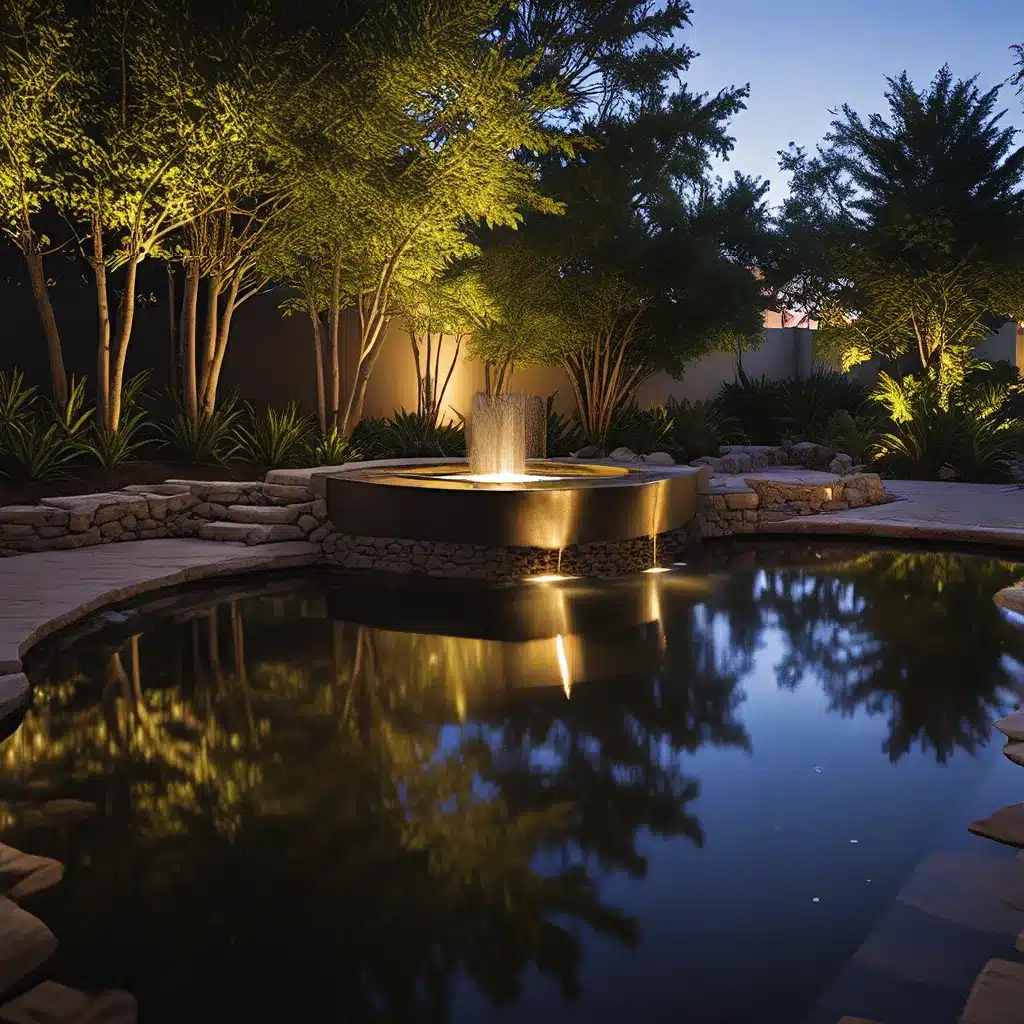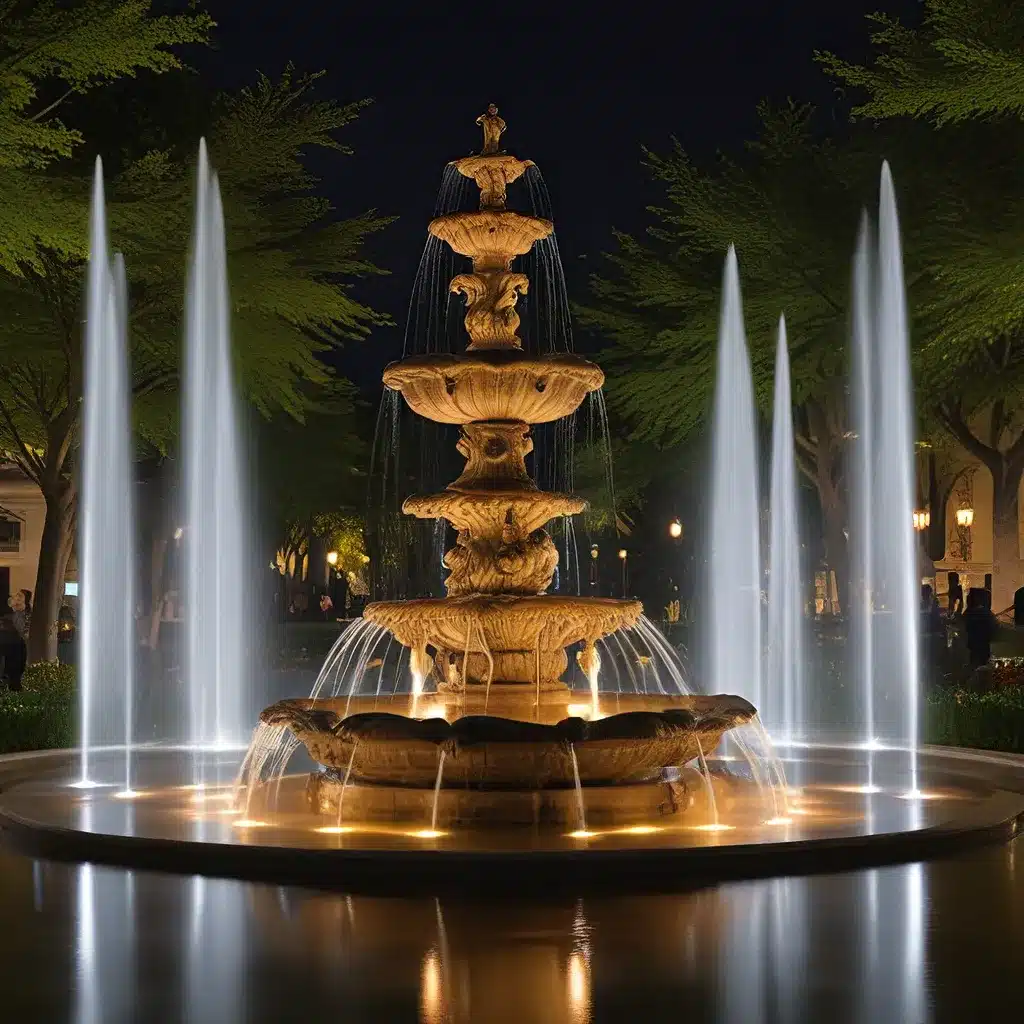

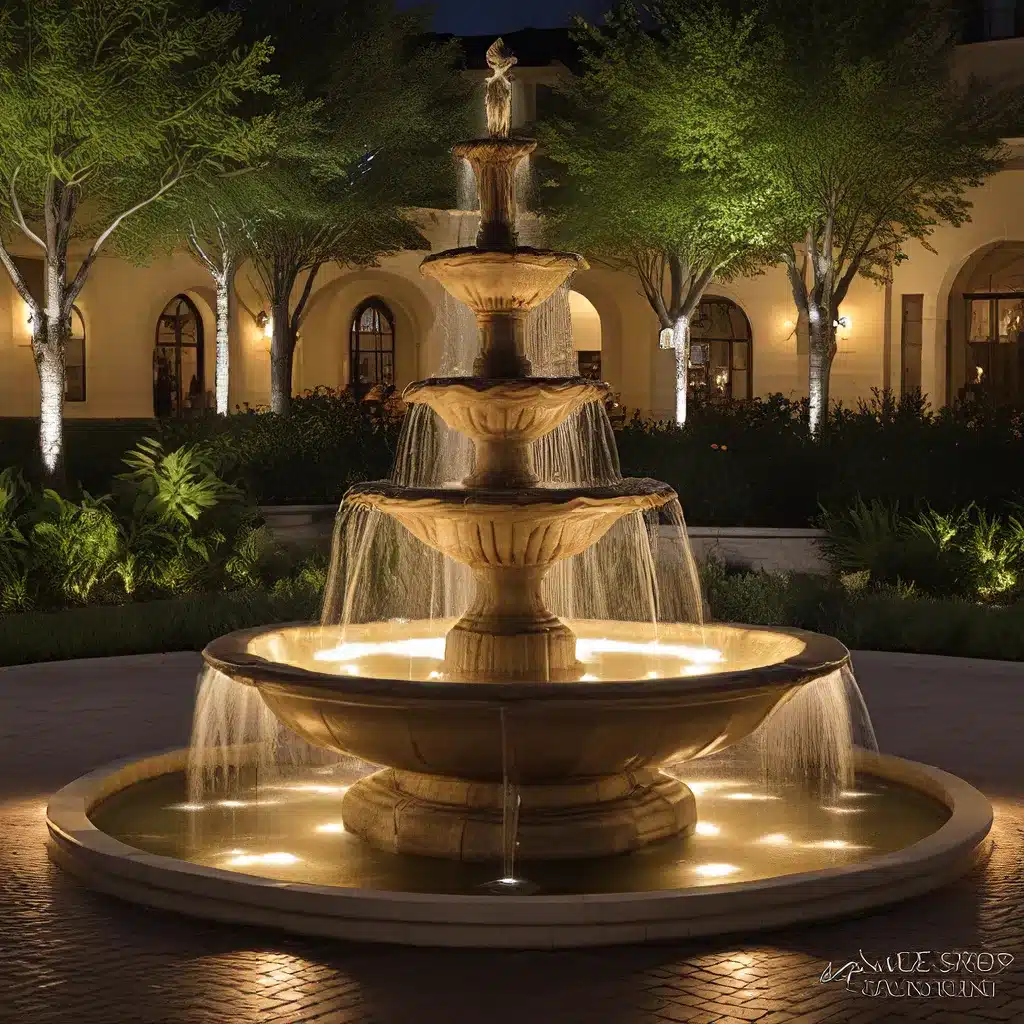
As someone who has spent countless hours researching and experimenting with fountain lighting, I can attest to the profound impact it can have on the overall ambiance and aesthetics of any outdoor space. Whether you’re the proud owner of a grand, multi-tiered fountain or a simple, single-spout design, getting the lighting right is essential for creating a captivating, visually stunning focal point.
Proper fountain lighting does more than just illuminate the water feature itself – it has the power to transform the entire landscape, casting a warm, inviting glow that can be seen from afar. Imagine strolling through a lush garden on a balmy summer evening, only to be drawn in by the mesmerizing dance of light and water. The right fountain lighting can elevate the most ordinary outdoor setting into something truly extraordinary.
But achieving that level of enchantment isn’t always as straightforward as it may seem. With so many variables to consider – from the type of lights to the placement and programming – it can quickly become a daunting task, especially for those new to the world of fountain design. That’s where this comprehensive guide comes in – to demystify the process and provide you with the knowledge and confidence to revitalize your own fountain lighting setup.
At its core, fountain lighting is all about creating a harmonious balance between the water and the illumination. The key is to choose lighting fixtures that complement the size, shape, and movement of your fountain, while also ensuring that the overall design is visually appealing and energy-efficient.
One of the most common types of fountain lighting is LED technology. LEDs offer a range of benefits, including energy-efficiency, long-lasting performance, and a wide variety of color options to choose from. This makes them an ideal choice for fountain lighting, as they can be programmed to create dynamic, ever-changing displays that captivate the senses.
Another popular option is submersible lighting, which is designed to be submerged directly in the water of the fountain. These waterproof fixtures provide a unique perspective, casting light from within the fountain itself and creating a mesmerizing, underwater glow.
Landscape lighting experts also recommend incorporating accent lighting to highlight specific features of the fountain, such as its architectural details or the cascading water flow. This can be achieved through the strategic placement of spotlights or floodlights, which can be adjusted to create the desired effect.
Now that you have a better understanding of the foundational elements of fountain lighting, let’s dive into the step-by-step process for revitalizing your own water feature. Whether you’re starting from scratch or looking to breathe new life into an existing setup, these guidelines will help you achieve the stunning, eye-catching results you’ve been dreaming of.
The first step in any successful fountain lighting project is to take a close look at the fountain itself. Consider factors like the size, shape, and height of the fountain, as well as the overall design and surrounding landscape. This information will be crucial in determining the type and placement of your lighting fixtures to ensure they complement the fountain’s features.
For example, a tall, stately fountain may require a combination of submersible and accent lighting to highlight its grandeur, while a more modest, single-tiered design may benefit from a simpler, LED-based setup. Understanding the unique personality of your fountain is key to creating a cohesive, visually stunning display.
With a clear understanding of your fountain’s characteristics, it’s time to start planning the lighting design. This involves considering factors like the number and placement of fixtures, the color temperature and brightness of the lights, and any desired programming or sequencing effects.
One effective strategy is to map out the fountain and its surroundings, identifying key areas that you want to highlight. This could include the water jets, the basin’s edge, or any architectural elements that you want to accentuate. From there, you can begin to determine the best type and positioning of lighting fixtures to achieve your desired look.
It’s also important to consider the energy efficiency of your lighting setup. LEDs are a great choice, as they consume significantly less power than traditional incandescent or halogen bulbs, while still delivering brilliant, vibrant illumination.
Once you’ve finalized your lighting plan, it’s time to install the fixtures and get everything up and running. Depending on the complexity of your setup, this may involve a combination of submersible lights, accent spotlights, and a central control system to manage the programming and scheduling.
Proper installation is crucial to ensure the longevity and reliability of your fountain lighting. Be sure to follow the manufacturer’s instructions carefully, paying close attention to waterproofing and weatherproofing measures to protect the fixtures from the elements.
Once the physical installation is complete, it’s time to program the lighting system. This may involve setting timers, adjusting color temperatures, and experimenting with different sequencing and fading effects to achieve the perfect ambiance. Don’t be afraid to get creative and try out new ideas – the beauty of modern fountain lighting is the endless possibilities for customization and personalization.
The work doesn’t end once the initial installation is complete. Proper maintenance and ongoing optimization are essential for ensuring your fountain lighting continues to perform at its best.
Regular inspections and cleaning of the fixtures can help prevent issues like buildup, corrosion, or water damage, which can compromise the lighting’s effectiveness over time. Additionally, monitoring the system’s energy consumption and making adjustments as needed can help you minimize your environmental impact and keep your utility costs in check.
As you and your fountain become more acquainted, don’t be afraid to experiment with different lighting configurations, color palettes, and programming sequences. The key is to remain flexible and open to new ideas, constantly striving to enhance the overall experience and create a truly captivating display.
Revitalizing your fountain lighting is not just about function – it’s an opportunity to tap into your creative side and transform your outdoor space into a true work of art. By understanding the fundamentals, developing a thoughtful plan, and embracing the ongoing process of maintenance and optimization, you can unlock the full potential of your fountain and create a mesmerizing, one-of-a-kind display that will captivate your guests for years to come.
So, what are you waiting for? Grab your metaphorical paintbrush and get ready to breathe new life into your fountain lighting. The canvas is yours to paint, and the possibilities are as limitless as the dancing water itself.