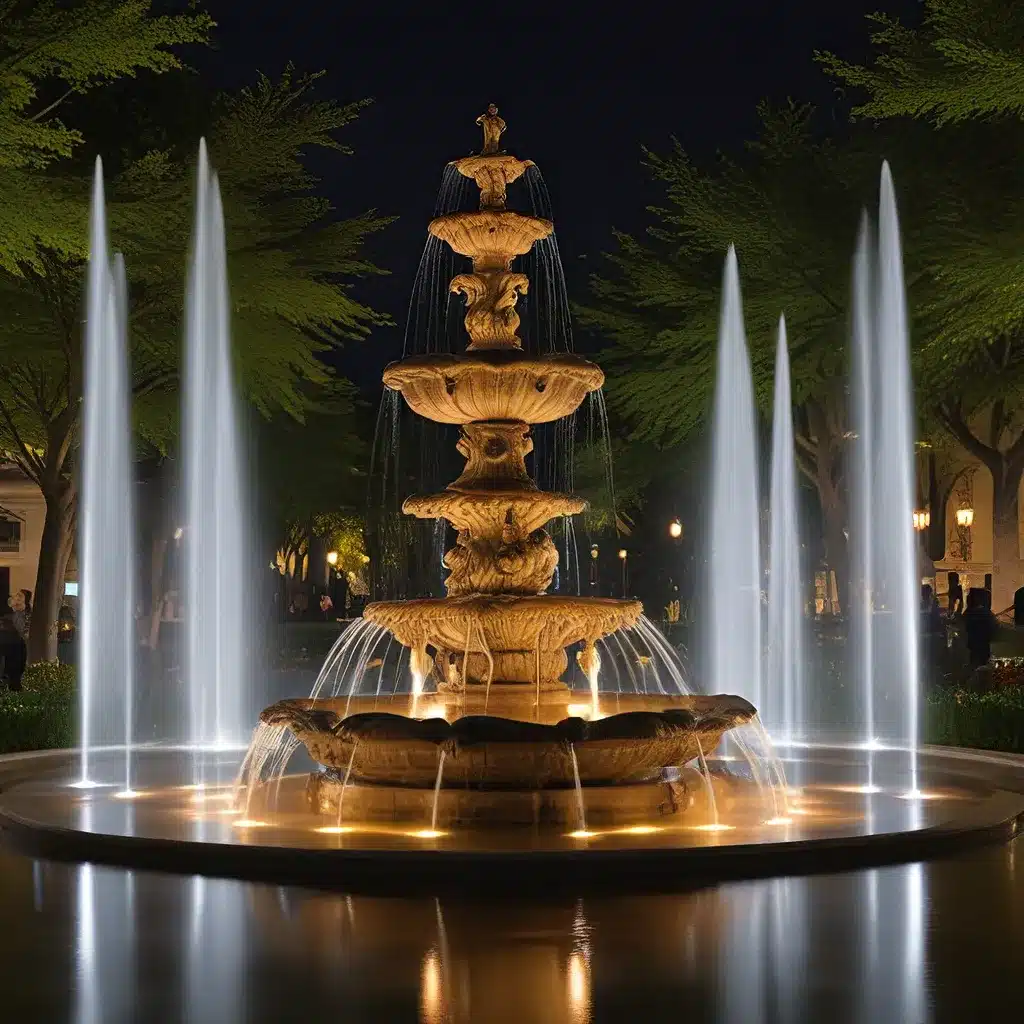

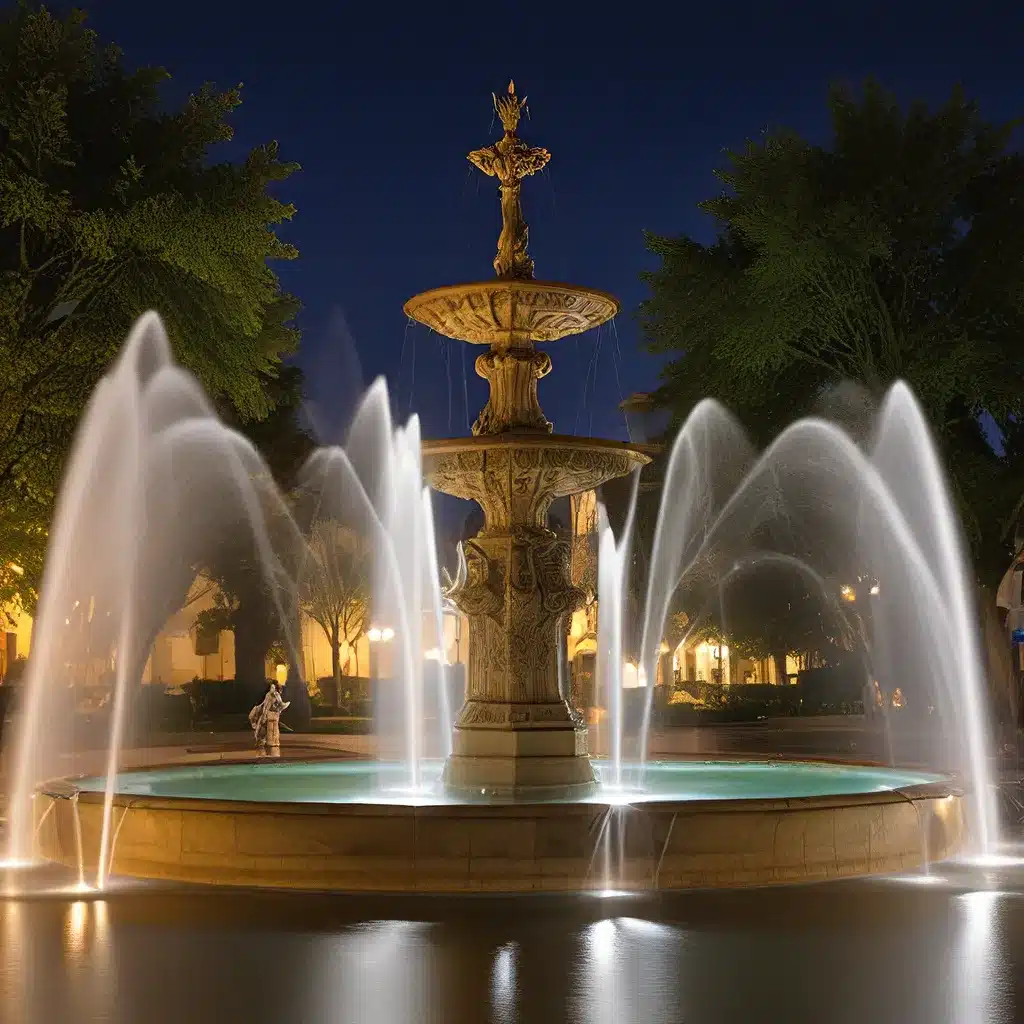
As I delve into the captivating world of French fountain design, I can’t help but marvel at the ingenious ways in which these water features have evolved over the centuries. From the grandiose Baroque displays of power at the Palace of Versailles to the whimsical Rococo fountains that dotted the countryside, there’s a rich tapestry of history, engineering, and artistic expression woven into these hydraulic marvels.
But what truly fascinates me is the role that advanced water pressure control has played in transforming the art of fountain lighting. It’s a realm where the interplay of water, light, and technology has led to breathtaking displays that both captivate and inspire. Let me take you on a journey to uncover the fascinating story behind this modern fountain revolution.
French fountain design has always been inextricably linked to the intricate systems that power these water features. From the gravity-fed networks of the Renaissance era to the hydraulic machines that drove the fountains of Versailles, the engineering prowess behind these marvels is truly awe-inspiring.
The Machine de Marly, for instance, was a remarkable feat of engineering that served as the lifeblood for the fountains at Versailles. This massive pumping station, built in the late 17th century, was instrumental in providing the necessary water pressure to bring the gardens’ numerous water features to life. Can you imagine the sheer scale and complexity involved in designing a system capable of powering such an extensive network of fountains?
But the innovations in French fountain design didn’t stop there. The strategic placement of the gardens and the careful consideration of elevation and slope allowed designers to harness the power of gravity, creating a natural flow of water that could drive the fountains without the need for mechanical pumps. This ingenious approach not only improved the efficiency of the systems but also added an elegant and harmonious element to the overall design.
As impressive as the hydraulic systems were, the true magic of French fountains often came to life when they were illuminated. The interplay of water and light has captivated audiences for centuries, and fountain lighting has evolved alongside the changing technologies and artistic sensibilities of the times.
In the earlier eras, fountain lighting was a relatively simple affair, relying on natural daylight or the soft glow of candles and oil lamps. But as the Industrial Revolution ushered in new advancements in lighting technology, the possibilities for fountain illumination expanded dramatically.
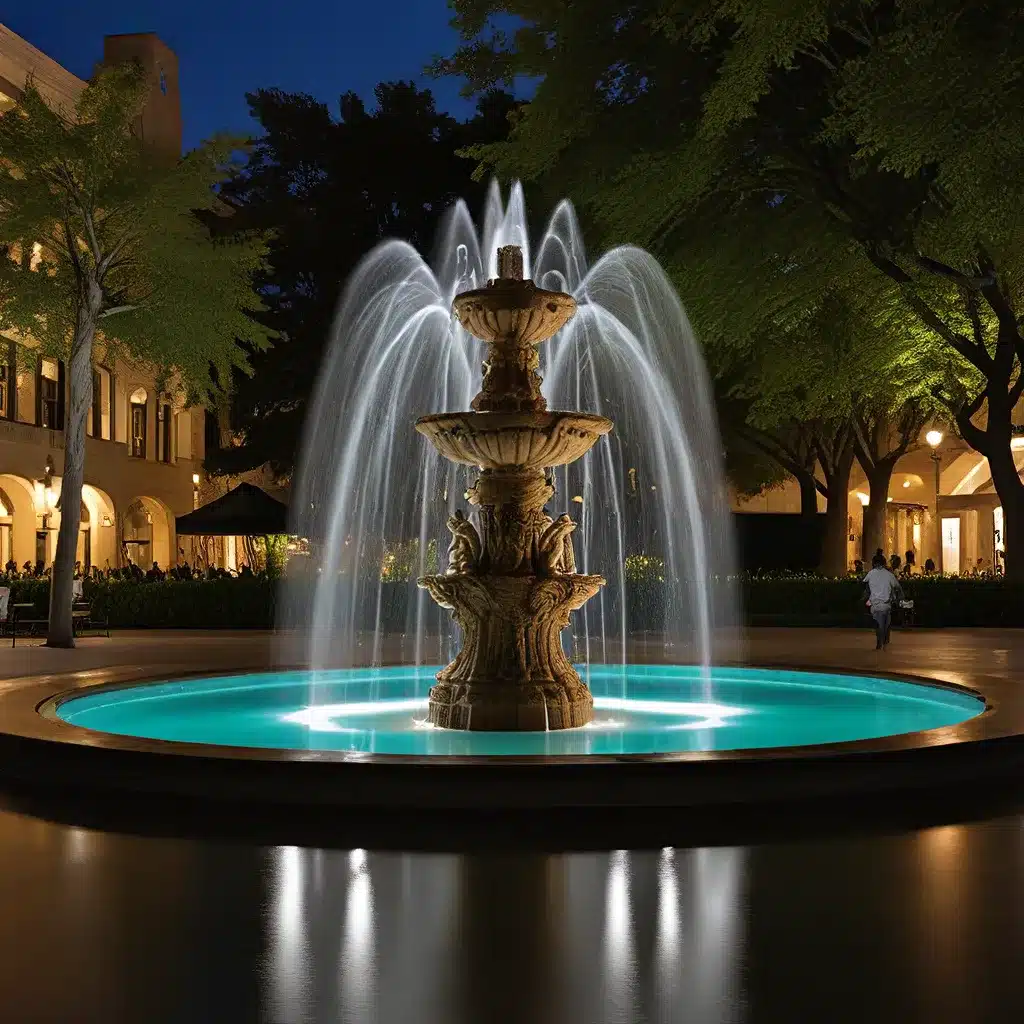
The introduction of electric lighting in the late 19th century was a game-changer, allowing for more dynamic and vibrant displays. Fountains could now be illuminated with a wider range of colors, creating mesmerizing effects that dazzled onlookers. The Fontaine des Mers at the Trocadéro in Paris, for example, became a beloved attraction, its water jets and sculptures brought to life by a stunning array of multicolored lights.
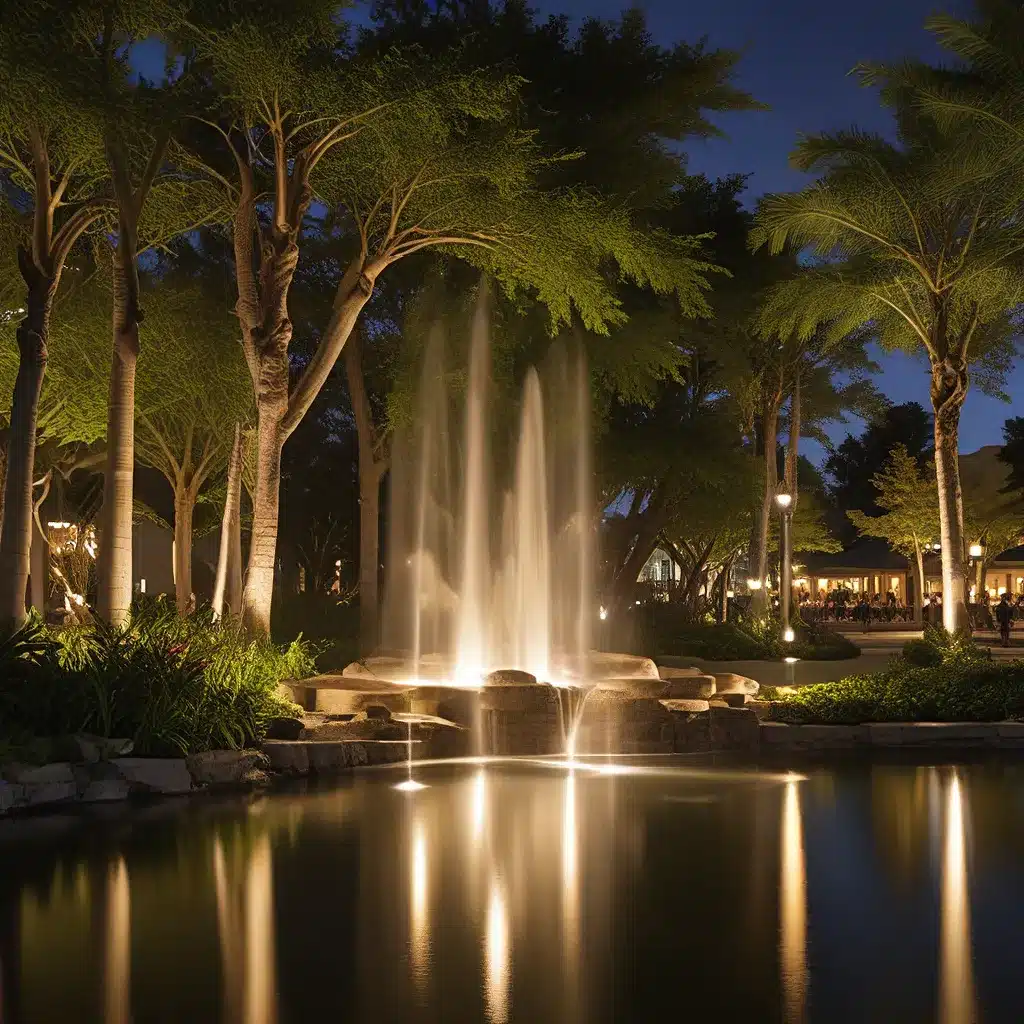
But the true revolution in fountain lighting came with the advent of programmable LED technology. This cutting-edge innovation allowed for unprecedented control over the water and light, enabling the creation of intricate choreographed displays that seemed to defy the laws of physics. The Grand Cascade at the Parc de Saint-Cloud, with its dazzling light and water show, is a prime example of how modern fountain lighting can transform these water features into true works of art.
At the heart of this fountain lighting revolution lies the mastery of water pressure control. Achieving the perfect balance between water flow, height, and lighting is a complex dance that requires a deep understanding of hydraulics and engineering.
The team at Fountainlights.net has been at the forefront of this evolution, leveraging their expertise in water pressure management to create truly mesmerizing fountain displays. By precisely controlling the water pressure, they can orchestrate intricate patterns and choreographies, with the water jets moving in perfect sync with the pulsing of the lights.
But it’s not just about the technical prowess – the artistic vision of the designers also plays a crucial role. They meticulously plan the placement of the lighting fixtures, the angles of the water jets, and the timing of the choreography to create a symphony of water, light, and movement that captivates the senses.
One of the most impressive examples of their work can be seen at the Fontaine des Innocents in Paris. This historic fountain, originally built in the 16th century, has been transformed into a stunning display of modern fountain lighting, thanks to the team’s innovative approach to water pressure control. The delicate Renaissance-era sculptures are now illuminated with a mesmerizing blend of colors and patterns, creating an enchanting experience that seamlessly blends the past and the present.
As we look to the future of fountain design, there’s an increasing focus on sustainability and environmental responsibility. Contemporary fountain architects and engineers are exploring new ways to create these water features that are not only visually striking but also eco-friendly.
One approach is the use of closed-loop systems, where the water is recirculated and reused, minimizing waste and reducing the demand on municipal water supplies. Advanced filtration and water treatment technologies ensure that the water remains clean and safe for continuous use, further enhancing the sustainability of these fountains.
But it’s not just about the water – the integration of natural elements like plants and wildlife is also becoming a key trend in modern fountain design. By incorporating biophilic design principles, these water features are being transformed into harmonious ecosystems that promote biodiversity and support local environmental systems.
The Fountain of Biodiversity in Bordeaux is a fantastic example of this approach. This innovative fountain features a design that blends artistic beauty with ecological responsibility, creating a serene and sustainable environment that celebrates the symbiotic relationship between humans and nature.
As we continue to push the boundaries of what’s possible in fountain design, I can’t help but feel excited about the future. With advanced water pressure control and a growing emphasis on sustainability, the hydraulic marvels of French fountain design are poised to captivate and inspire generations to come. Who knows what breathtaking creations the next chapter of this storied tradition will bring?